
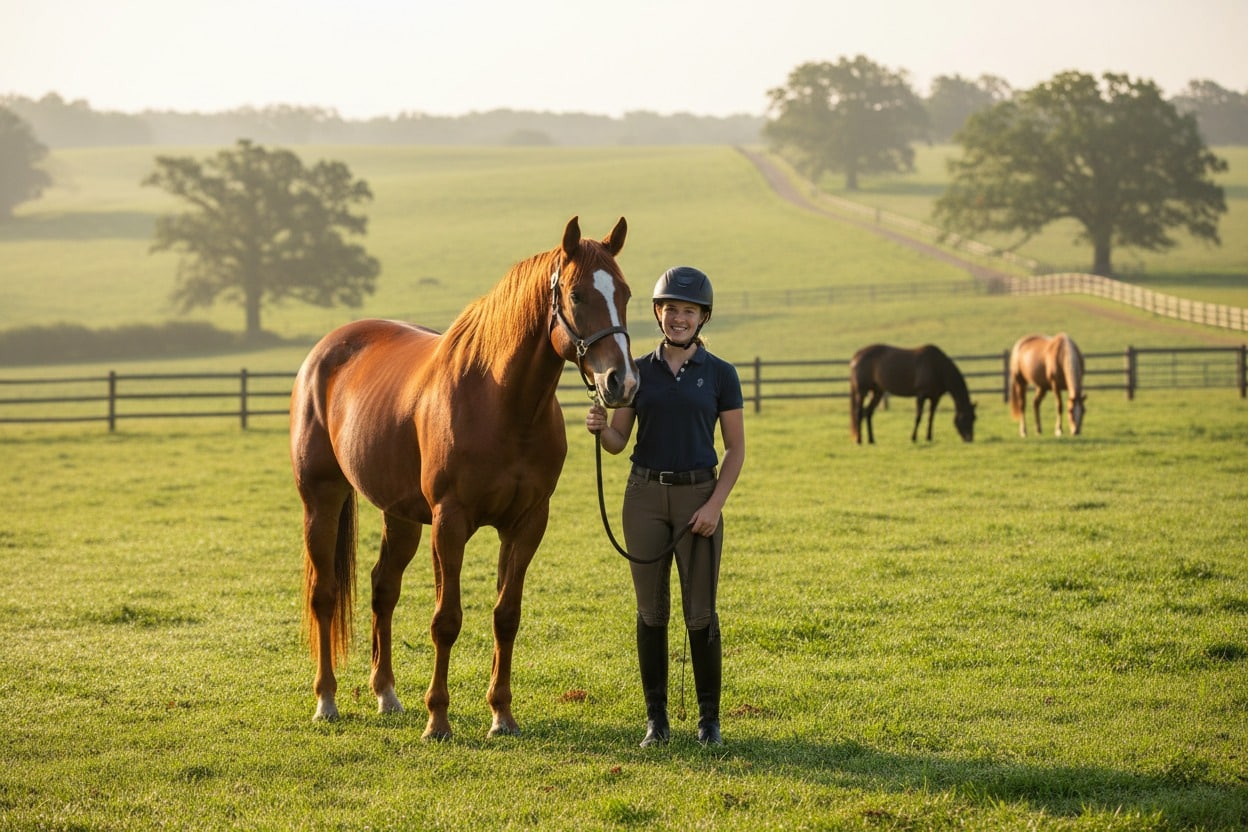
Buying your first horse is exciting, and a little intimidating. There are hundreds of breeds, endless opinions, and a lot riding on one decision. If you have ever wondered which horse is right for a new rider, you are in good company.
This guide covers the best horse breeds for beginners, with seven beginner-friendly horse breeds that are widely used for lessons, trail riding, and recreational riding. You will also find practical advice on how to choose your first horse, what ownership costs, and which mistakes to avoid.
This article may contain affiliate links. We may earn a commission from qualifying purchases at no additional cost to you.
Why Breed Alone Doesn’t Make a Good Beginner Horse
Before we get to the list, one important point: the individual horse matters more than the breed.
Breeds have general tendencies. Some are bred for calm, cooperative work, and others for speed or sensitivity. But every breed contains horses that are laid-back and horses that are nervous, pushy, or green. No breed is guaranteed safe for a novice.
Four factors usually predict a good match better than breed:
- Temperament: Is the horse calm, forgiving, and tolerant of mistakes?
- Training: Is it well schooled and consistent under saddle?
- Age and experience: Has it done the kind of work you want to do?
- Health and soundness: Can it comfortably do the job without pain?
Think of the breeds below as a starting point for your search, not a guarantee.
What Makes a Horse Beginner-Friendly?
A good first horse is rarely the flashiest one. Look for these qualities:
- A steady, willing attitude. The horse stays relaxed around new sights and sounds.
- Solid training. It responds to basic cues without needing a skilled rider to “fix” it.
- Good ground manners. It stands for grooming, hoof care, and tacking up.
- Tolerance for rider error. Beginners lose balance and give mixed signals, and a good horse shrugs that off.
- Sound health. Pain is a common hidden cause of bad behavior.
- A suitable size. The horse should be able to carry you comfortably, and you should be able to mount and handle it safely.
If you are a first-time buyer, work with an experienced instructor or trainer. They can evaluate both the horse and how the two of you work together.
7 Best Horse Breeds for Beginners
1. American Quarter Horse
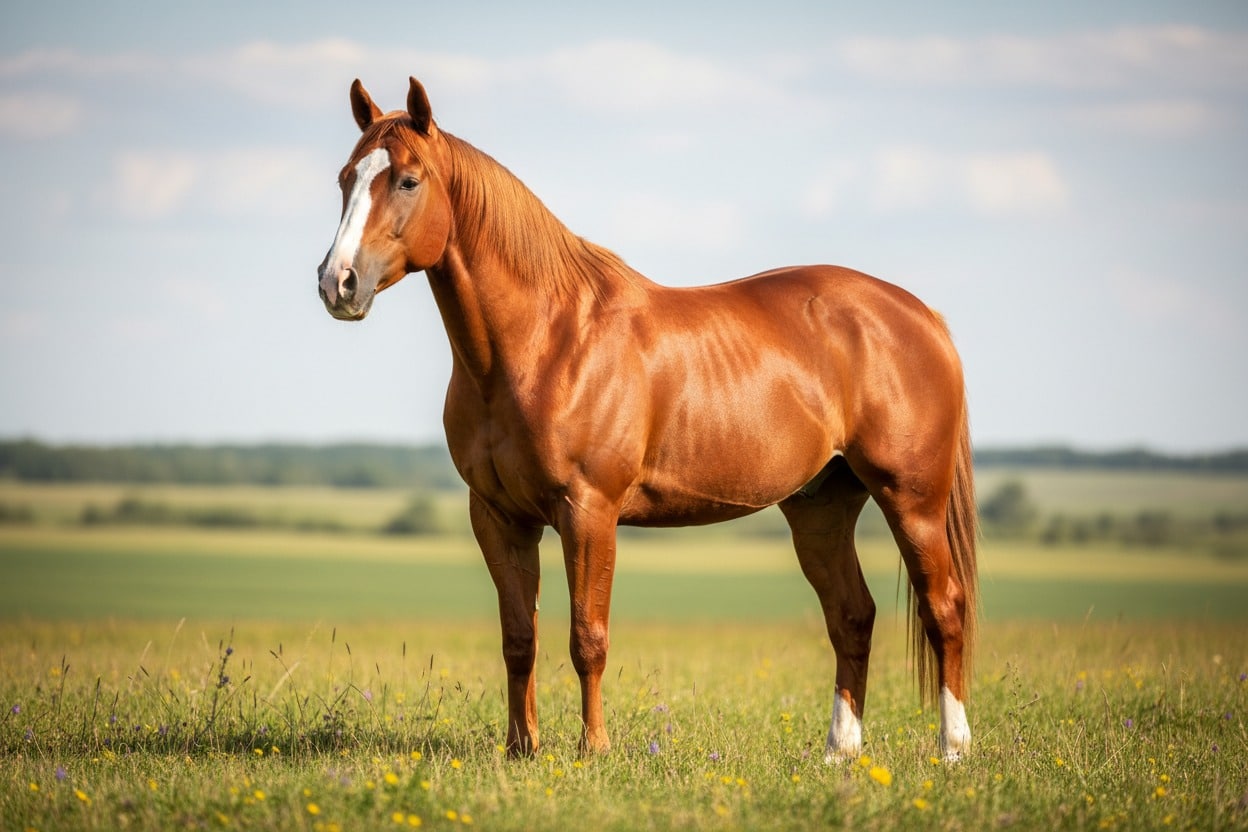
Overview and origin. The American Quarter Horse developed in the United States during the colonial era. It is named for its speed over short distances, and the American Quarter Horse Association (AQHA) is one of the largest breed registries in the world.
Physical characteristics. Quarter Horses are compact and muscular, with a broad chest and powerful hindquarters. Most stand about 14 to 16 hands.
Temperament. The breed has a reputation for being easygoing, cooperative, and people-oriented, though individuals vary widely.
Disciplines and uses. Western pleasure, trail riding, ranch work, barrel racing, reining, and lesson programs.
Beginner advantages. The breed is common in the US, so there is a large pool of trained horses to choose from, and many instructors know them well.
Potential challenges. Horses from performance or racing lines can be quicker and more energetic than a novice needs.
Best for. Beginners who want a versatile all-around partner for trails, lessons, or casual shows.
Before you buy. Ask about the horse’s job history, and check conformation and soundness with a veterinarian.
2. Morgan Horse
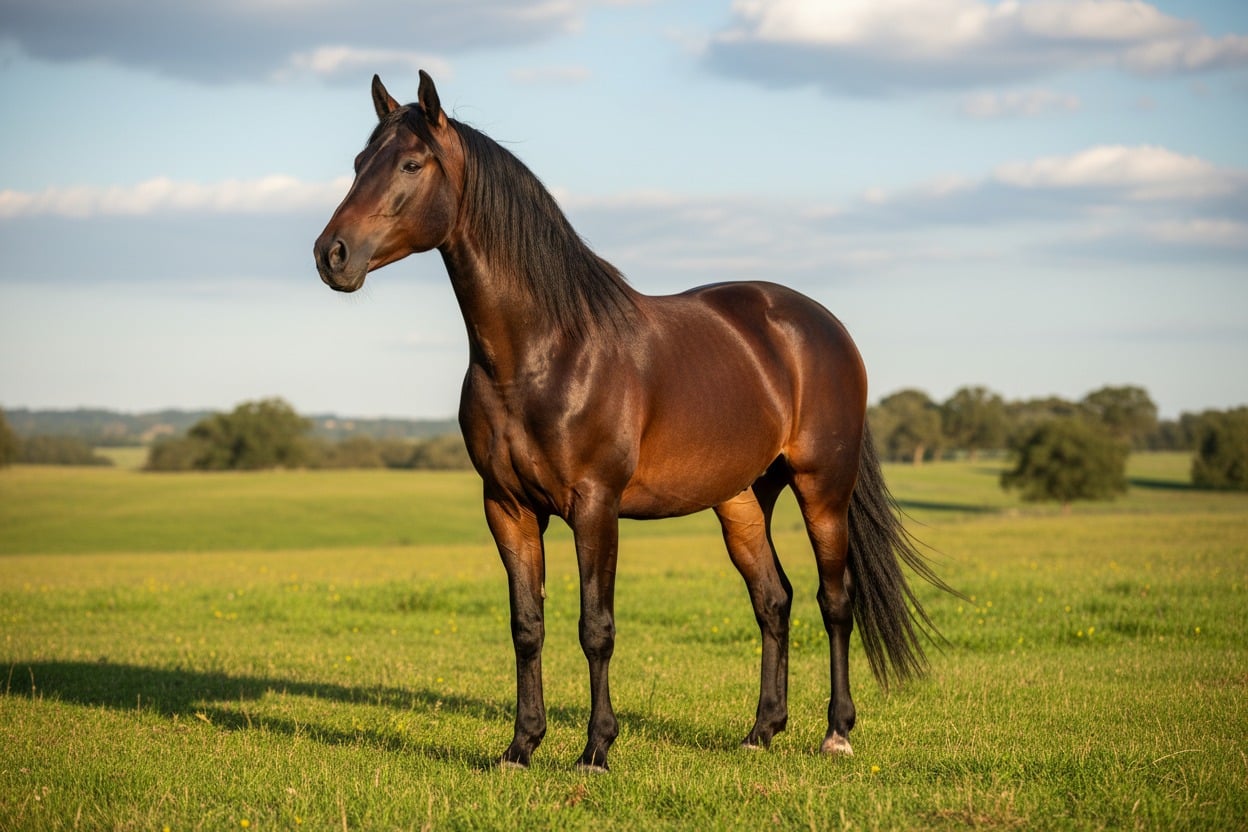
Overview and origin. The Morgan is one of America’s oldest breeds, tracing back to a single foundation sire, Figure, later known as Justin Morgan, in late 18th-century Vermont.
Physical characteristics. Morgans are refined but sturdy, with an arched neck, expressive head, and strong build. They typically stand around 14 to 15.2 hands.
Temperament. Morgans are often described as intelligent, willing, and personable. Some are more sensitive or spirited than a typical stock-type horse.
Disciplines and uses. Trail riding, driving, dressage, western, saddle seat, and family riding.
Beginner advantages. Many are versatile, and they are often sturdy and good partners for people who want to try several disciplines.
Potential challenges. A sensitive Morgan may respond strongly to rough or unclear cues.
Best for. Beginners who want an engaged, people-focused horse and plan to grow their skills.
Before you buy. Meet the horse more than once, ideally in different settings, to see how it handles new situations.
3. American Paint Horse
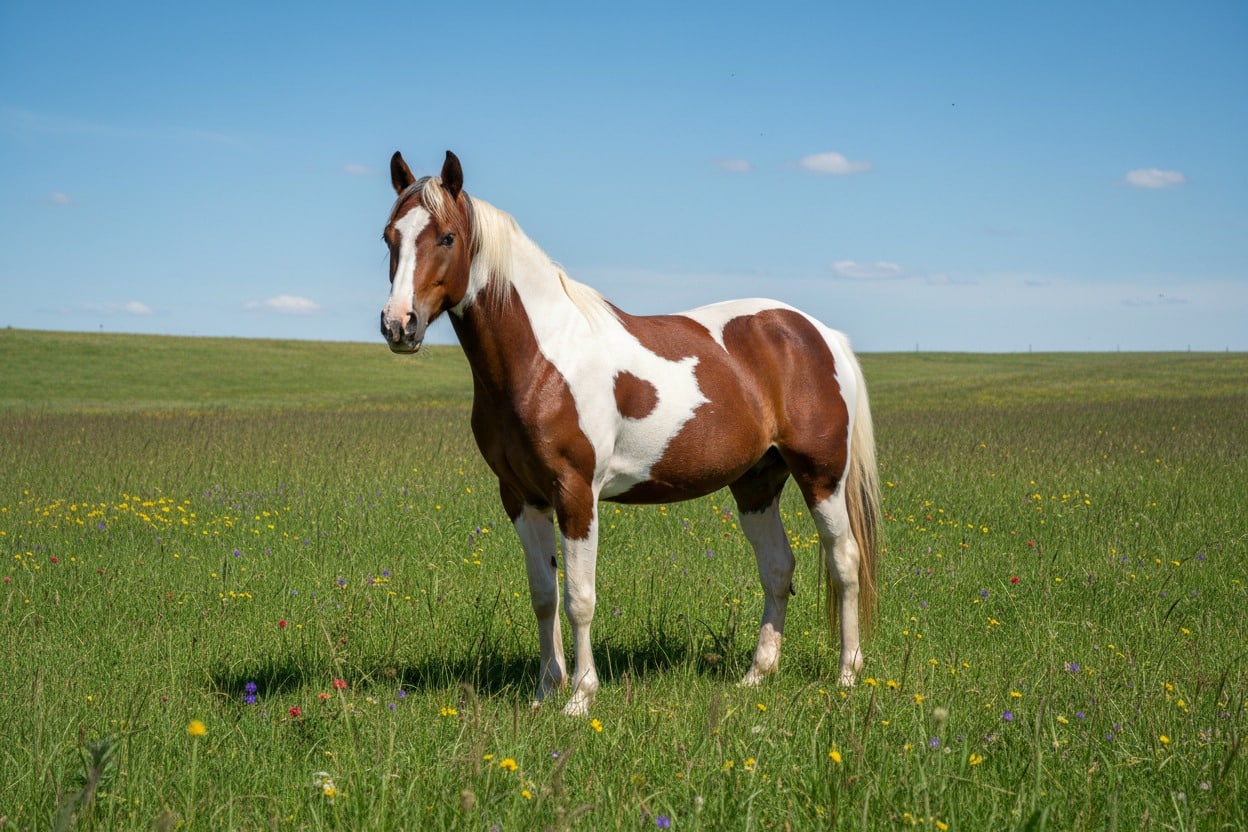
Overview and origin. The American Paint Horse is a stock-type breed registered by the American Paint Horse Association (APHA). It combines Quarter Horse-type breeding with distinctive white-and-color coat patterns.
Physical characteristics. Paints share the Quarter Horse’s muscular, compact build and usually stand about 14 to 16 hands. Their pinto patterns are the most visible difference.
Temperament. Many are friendly and trainable. Coat pattern does not predict personality, so evaluate each horse individually.
Disciplines and uses. Western riding, trail, ranch work, halter, and youth programs.
Beginner advantages. Their stock-type background often means a steady, practical build and good fit for recreational riding.
Potential challenges. A striking coat can tempt buyers to overlook training and temperament. Don’t buy on looks alone.
Best for. Beginners who want a Quarter Horse-style partner with a unique appearance.
Before you buy. Confirm registration papers and breeding if they matter to you, and focus on how the horse behaves under saddle.
4. Haflinger
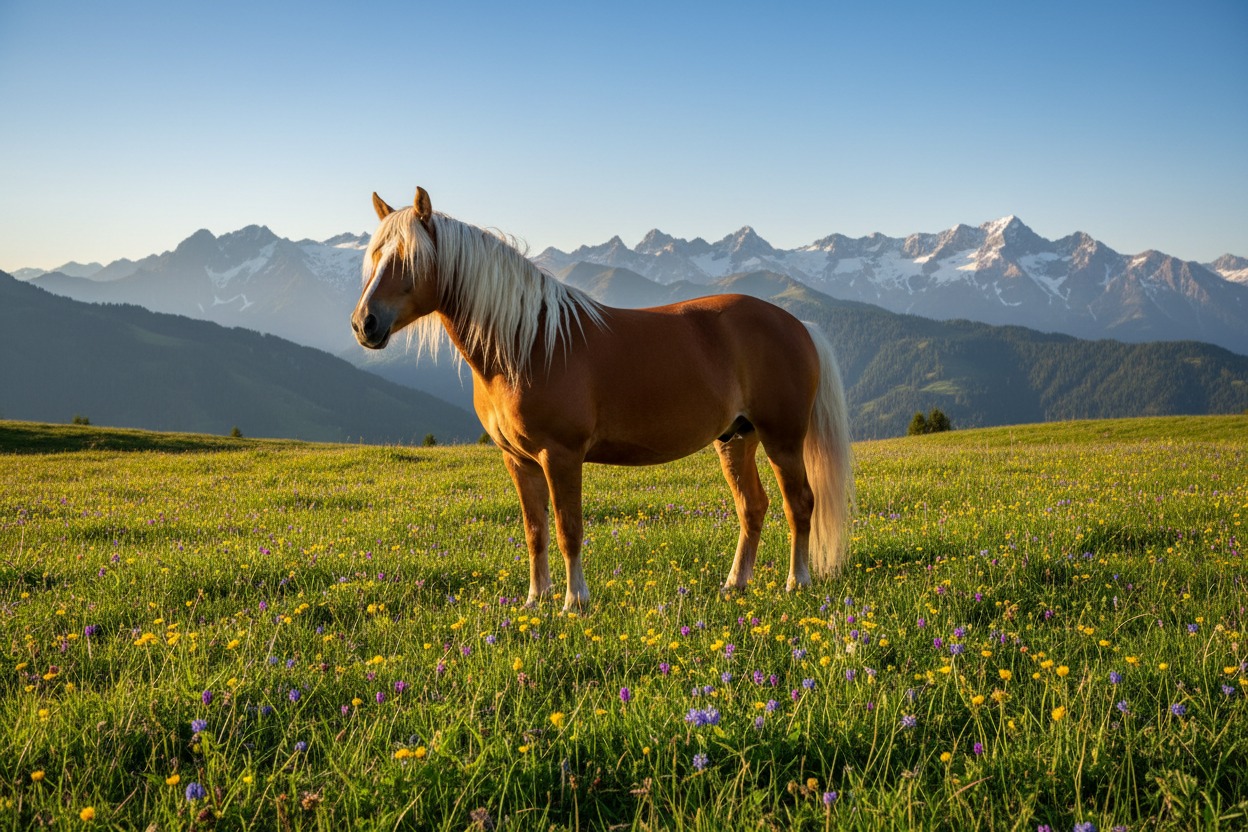
Overview and origin. The Haflinger comes from the mountainous Tyrol region of Austria and northern Italy. It is known for its chestnut coat and flaxen mane and tail.
Physical characteristics. Haflingers are short, stocky, and strong, usually about 13.2 to 15 hands.
Temperament. They are often described as friendly, steady, and eager to work with people.
Disciplines and uses. Trail riding, driving, therapeutic riding, and family horses.
Beginner advantages. Their compact size can feel less intimidating, and their sturdy build suits many recreational riders.
Potential challenges. Haflingers can be “easy keepers” that gain weight quickly, which raises risks such as laminitis and metabolic problems. Diet and exercise need careful management.
Best for. Beginners who want a steady trail or driving partner and will manage feed carefully.
Before you buy. Ask your veterinarian about weight, metabolic health, and whether the horse’s size suits the rider.
5. Appaloosa
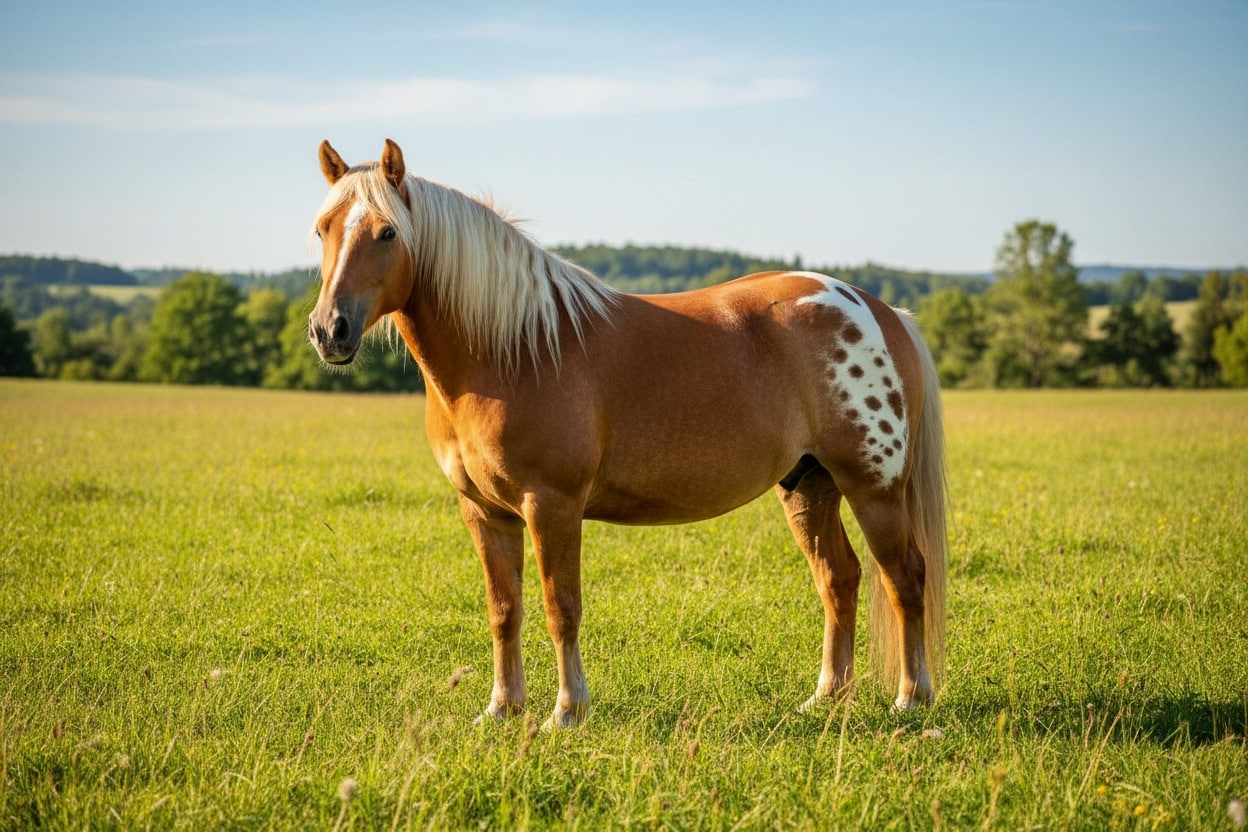
Overview and origin. The Appaloosa is best known for its spotted coat patterns. The breed is closely associated with the Nez Perce people of the Pacific Northwest, and the Appaloosa Horse Club maintains the registry.
Physical characteristics. Appaloosas vary in type but typically stand around 14.2 to 16 hands, often with mottled skin, striped hooves, and a visible white sclera around the eye.
Temperament. Many are described as friendly, hardy, and willing, but, like all breeds, temperament varies by bloodline and individual.
Disciplines and uses. Western riding, trail, endurance, ranch work, and general pleasure riding.
Beginner advantages. They are often versatile and tough, and many are well suited to long recreational rides.
Potential challenges. Appaloosas can have a higher risk of certain eye conditions, including equine recurrent uveitis, so eye health deserves attention.
Best for. Beginners who want a sturdy, distinctive trail companion.
Before you buy. Ask your veterinarian to perform a thorough eye exam as part of a pre-purchase exam.
6. Icelandic Horse
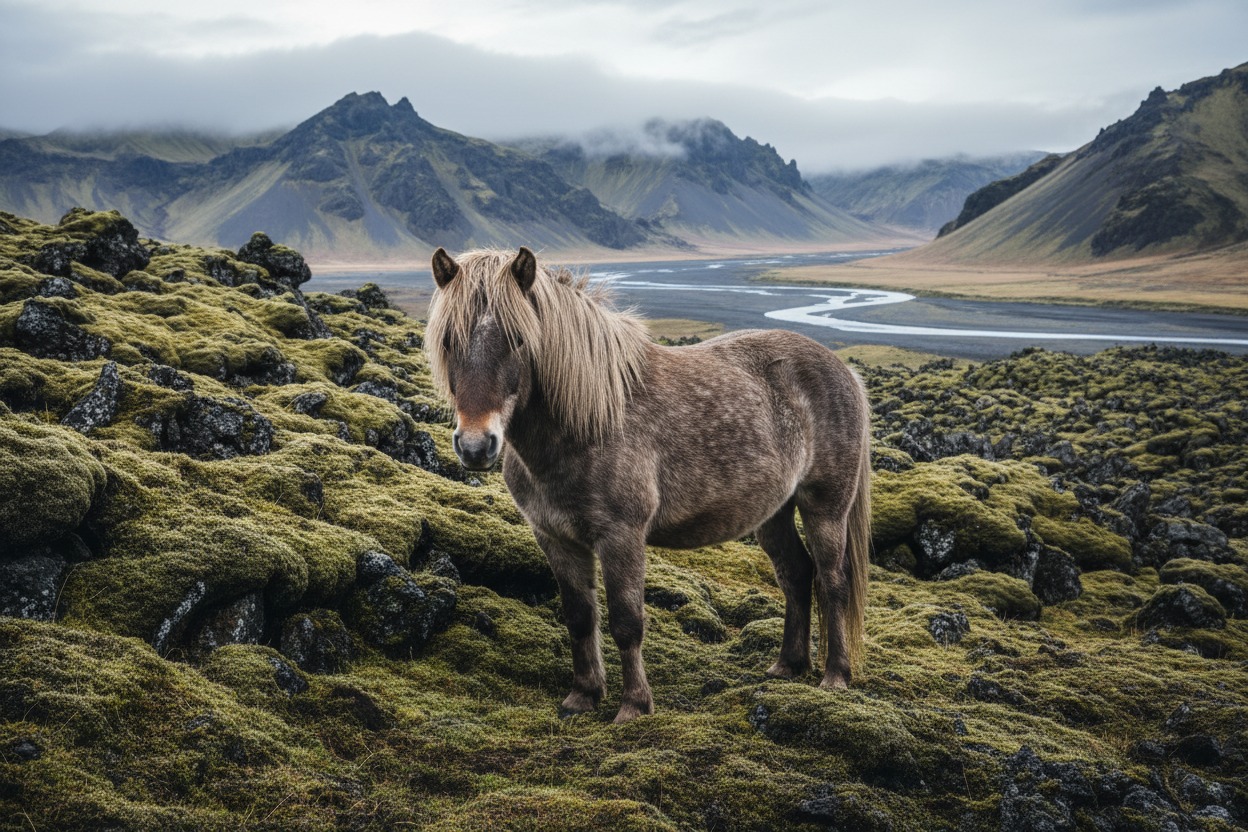
Overview and origin. The Icelandic Horse developed in isolation on Iceland, where horses have not been imported for roughly a thousand years. It is known for hardiness and a long-lived, sociable nature.
Physical characteristics. Icelandics are short but sturdy, generally about 13 to 14 hands, with thick coats and strong bone. They are called horses, not ponies, despite their size.
Temperament. They are often friendly, curious, and spirited without being dramatic, though some can be forward-going.
Disciplines and uses. Trail riding, gaited riding, and pleasure riding. Many Icelandics can perform the tölt, a smooth, ground-covering gait.
Beginner advantages. The tölt can be comfortable for riders and the breed is generally strong for its size.
Potential challenges. Gaited riding has its own learning curve, and not every rider will fit every Icelandic comfortably. Availability in the US is more limited than for stock breeds.
Best for. Beginners interested in gaited trail riding who are willing to work with an instructor familiar with the breed.
Before you buy. Check that the horse can comfortably carry your weight and that you have access to knowledgeable trainers.
7. Welsh Cob
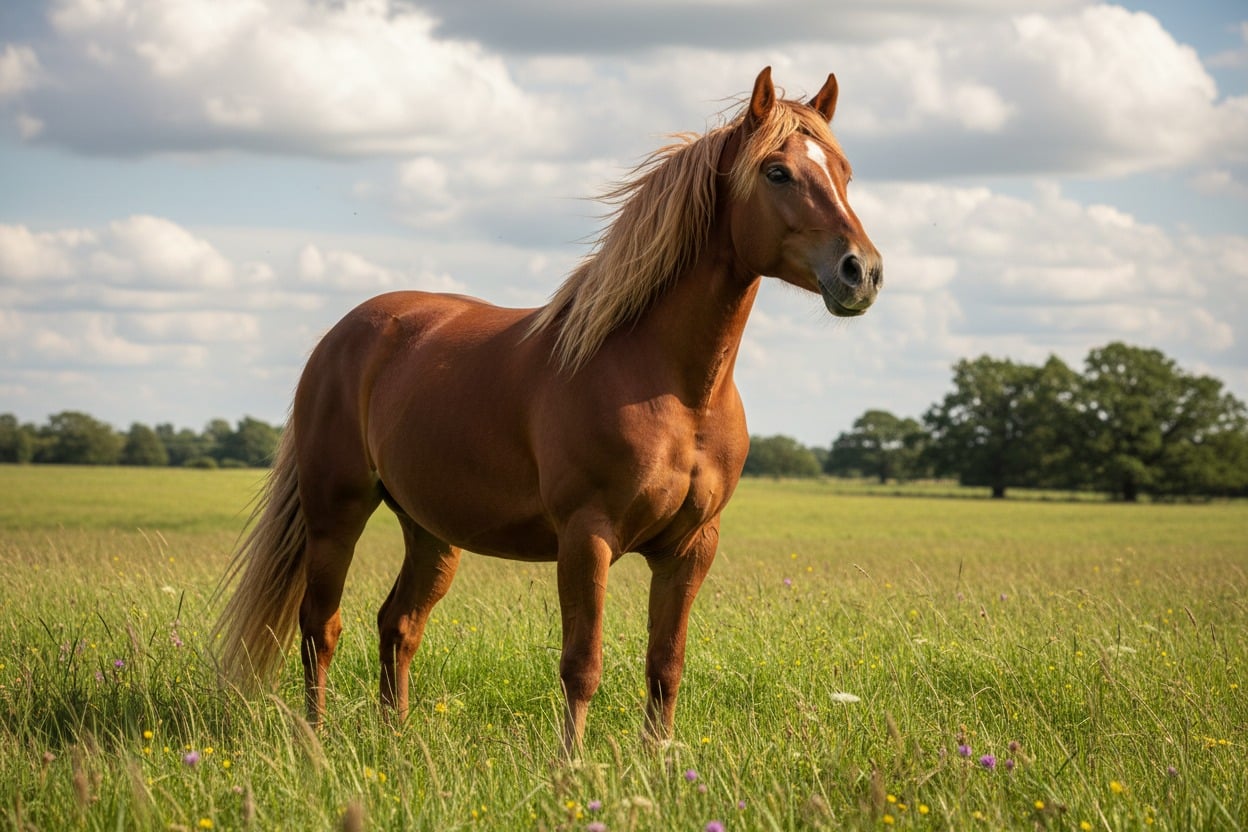
Overview and origin. The Welsh Cob (Section D in the Welsh Pony and Cob registry) originated in Wales. It is a strong, athletic type historically used for farm work, riding, and driving.
Physical characteristics. Welsh Cobs are sturdy with powerful hindquarters, a well-set neck, and feathering at the heels. They stand at least 13.2 hands, with many in the 14 to 15 hand range.
Temperament. Cobs are often bold, intelligent, and energetic. Some are quite lively, so temperament matters especially here.
Disciplines and uses. Riding, driving, jumping, eventing, and family horses.
Beginner advantages. They are strong, athletic, and versatile, and good ones can carry adults comfortably.
Potential challenges. A cob with a lot of energy or an independent streak may be a lot for a nervous novice.
Best for. Active beginners who want an athletic partner and have regular instructor support.
Before you buy. Ask for a trial ride and try the horse after a day off to see how it behaves with extra energy.
Quick Comparison of the 7 Breeds
| Horse breed | Typical height range | Common riding uses | General beginner considerations |
|---|---|---|---|
| American Quarter Horse | About 14–16 hands | Western, trail, ranch, lessons | Wide availability; check energy level of performance lines |
| Morgan Horse | About 14–15.2 hands | Trail, driving, dressage, western | Willing and versatile; some are sensitive |
| American Paint Horse | About 14–16 hands | Western, trail, ranch | Similar to Quarter Horse; judge the individual, not the coat |
| Haflinger | About 13.2–15 hands | Trail, driving, therapeutic riding | Sturdy and steady; watch weight and metabolic health |
| Appaloosa | About 14.2–16 hands | Western, trail, endurance | Hardy and versatile; ask about eye health |
| Icelandic Horse | About 13–14 hands | Trail, gaited riding | Smooth tölt; check size fit and local trainers |
| Welsh Cob | About 13.2–15 hands | Riding, driving, jumping | Athletic and strong; energy level varies widely |
Heights are general ranges. Individual horses vary.
How to Choose Your First Horse
Use this process to narrow your search:
- Define your goals. Trail riding, lessons, local shows, or a mix? Your goals shape the right horse.
- Be honest about your skill level. If you are still learning to balance at the trot, you need an experienced, well-trained horse.
- Find a trusted instructor. They can help you evaluate horses and spot mismatches.
- Consider leasing first. Leasing or taking regular lessons on a horse can show whether ownership suits your life.
- Ride the horse more than once. See it in different settings, with different handlers.
- Get a pre-purchase exam. A veterinarian can check soundness and flag issues before you commit.
- Plan your horse’s home. Decide whether you will board or keep your horse at home, and be realistic about time.
Essential Gear for Beginner Riders
You don’t need to buy everything at once, but a few items matter for safety and daily care:
- Riding helmet: Choose a properly fitted, safety-certified helmet.
- Riding boots: Boots with a small heel and a smooth sole help keep your foot from slipping through the stirrup.
- Halter and lead rope: A well-fitted halter and sturdy lead rope are everyday basics.
- Grooming kit: Brushes, a hoof pick, and a curry comb help you bond with your horse and check for injuries.
- Horse care supplies: A basic first-aid kit and fly protection are practical early purchases.
Ask your instructor which items they recommend before you shop.
Is an Older Horse Better for Beginners?
Often, yes, but it depends on the horse.
An experienced older horse may have the training, patience, and “been there, done that” attitude that helps a novice build confidence. Younger or green horses are usually a poor match for first-time owners, because both horse and rider are still learning.
That said, age is not a guarantee. Older horses may have arthritis, dental issues, or other conditions that need care, and they may cost more to maintain. A veterinary exam matters more than the number on the horse’s papers.
A calm, sound, well-trained horse in its teens can be an excellent first horse. A horse of any age that is poorly trained or in pain is not.
Horse Ownership Costs for Beginners in the USA
The purchase price is only the start. Costs vary widely by region and by the horse, so get local quotes. Plan for these categories:
- Purchase or lease price.
- Board or housing: Boarding costs depend on your area and the level of care. If you keep your horse at home, you will need fencing, shelter, and equipment.
- Feed and hay: Needs vary with the horse’s size, workload, and metabolism.
- Farrier care: Most horses need regular hoof care, often every several weeks.
- Veterinary care: Vaccinations, dental care, parasite control, and routine exams.
- Tack and gear: Saddle, bridle, helmet, grooming supplies, and blankets if needed.
- Lessons and training: Ongoing instruction helps you ride safely.
- Insurance and emergency funds: Unexpected vet bills can be significant.
Build a monthly and yearly budget before you buy, and keep a cushion for emergencies.
Common Mistakes First-Time Horse Buyers Make
- Buying on looks. A pretty coat or color pattern says nothing about training.
- Choosing a horse that is too green. Young or poorly trained horses can be risky for novices.
- Skipping the pre-purchase exam. This can lead to expensive surprises.
- Going without expert help. An instructor’s opinion is worth a lot.
- Underestimating costs. Ongoing care adds up quickly.
- Rushing the decision. The right horse is worth waiting for.
- Ignoring size and fit. The horse should suit your height, weight, and comfort.
Questions to Ask Before Buying Your First Horse
Ask the seller:
- Why is the horse for sale?
- What is its training and work history?
- Has it had any injuries, lameness, or health issues?
- How does it behave when handled, tacked up, trailered, and ridden alone and with others?
- Does it have any vices or habits I should know about?
- Can I have a trial period or ride it multiple times?
- Will you allow a pre-purchase exam by my veterinarian?
Ask yourself:
- Do I have the time, budget, and support for horse ownership?
- Do I have an instructor I trust?
- Can I handle this horse on a bad day, not just a good one?
Final Verdict: Which Horse Breed Is Best for Beginners?
There is no single winner. The best breed depends on your goals, size, budget, and the horses available near you.
- For an all-around, widely available choice: the American Quarter Horse or American Paint Horse.
- For a versatile, engaged partner: the Morgan.
- For a steady trail or driving horse, with careful feeding: the Haflinger.
- For a hardy trail companion: the Appaloosa, with attention to eye health.
- For smooth gaited trail riding: the Icelandic Horse.
- For an athletic rider who wants energy: the Welsh Cob.
Whatever breed you choose, put the individual horse first. A calm, sound, well-trained horse with the right match to your goals will serve you better than any breed label. Take your time, work with a trusted professional, and enjoy the process.
Frequently Asked Questions
What is the best horse breed for a beginner?
There is no single best breed. The American Quarter Horse is a common first choice because it is widely available and often easygoing, but the individual horse’s training, health, and temperament matter more than breed.
What are the calmest horse breeds for beginners?
Breeds such as the Quarter Horse, Paint, Morgan, and Haflinger are often described as calm, but temperament varies by individual. Always evaluate the specific horse.
Is it better for a beginner to buy or lease a horse?
Leasing or taking lessons first can help you learn what ownership involves before committing. Many beginners find it a lower-risk way to start.
Should a beginner buy an older horse?
Often an experienced, well-trained older horse is a better match than a young or green one. Have a veterinarian check its health before you buy.
How much does it cost to own a horse in the USA?
Costs vary widely by region and by the horse. Plan for purchase or lease, board, feed, farrier, veterinary care, tack, lessons, and an emergency fund, and get local quotes.
Are ponies good for beginners?
Some ponies are excellent for children, but not all are easy. Ponies can be clever and strong-willed, so training and temperament still matter. Adults should also check that the animal is large enough to carry them.
Are mares, geldings, or stallions best for beginners?
Geldings are commonly recommended for beginners because they tend to be more consistent, but individuals vary. Stallions are generally not suitable for first-time owners.
Do I need riding lessons before buying a horse?
Lessons are strongly recommended. They build the skills you need for safe riding and give you an instructor who can help evaluate horses.
Leave a Reply